Ingredient guide
Hyaluronic acid
INCI name · hyaluronic acid
In short
Hyaluronic acid (also known as ha) is a skincare humectant generally associated with hydration and barrier support. It is often chosen for dry, sensitive, combination and oily skin. MIRU describes it by what is visible on skin, never as a treatment or cure.
Works forFrom reviewed ingredient data
Hydration · Barrier
Skin type
Dry · Sensitive · Combination · Oily
Best used
Anytime
What it is
One split-area study in 76 women tested 0.1% periocular hyaluronan for 60 days. Hydration and elasticity improved across all five tested molecular weights; wrinkle-depth improvement was limited to 50 and 130 kDa. The study did not demonstrate penetration.
Evidence receipt
ModerateHyaluronic acid (topical) · applied to skin
Based on 1 source
Open the citable recordOne 60-day, 0.1% periocular study reported hydration and elasticity improvements across the tested molecular weights; wrinkle-depth improvement was limited to the 50 and 130 kDa arms.
Studied as Hyaluronic acid (topical): 0.1% hyaluronan at 50, 130, 300, 800 or 2,000 kDa.
See the source
Split-area, vehicle-controlled study in 76 women over 60 days: all five 0.1% periocular hyaluronan preparations improved measured hydration and elasticity versus vehicle; wrinkle-depth improvement was reported only for the 50 and 130 kDa arms. The paper’s penetration explanation is speculative, not a demonstrated outcome.
periocular hydration, periocular elasticity, periocular wrinkle depth · 0.1% hyaluronan at 50, 130, 300, 800 or 2,000 kDa
J Drugs Dermatol, 2011
Affiliation note. Publication links report the study authors and their affiliations. MIRU does not infer independence from an affiliation alone.
When to use it
Either. Morning and evening both work.
Best applied to slightly damp skin, then sealed with moisturiser.
On the label
Usually 0.1–2% on labels
Small numbers are normal. It is used at low percentages by design.
Pairs well with
Where it sits
A watery layer. After cleansing, before anything heavier, ideally on slightly damp skin.
- Cleanse
- Tone
- Hyaluronic acid
- Moisturise
- SPF
Also found as
Related
Compare products
Browse product comparisonsWhere to find it
Examples, not a ranking. A product lookup can confirm identity and background; a verdict still needs the full ingredient list.

Hyaluronic acid + vitamin B5. Gentle daily hydrator for thin-skinned winter weeks.
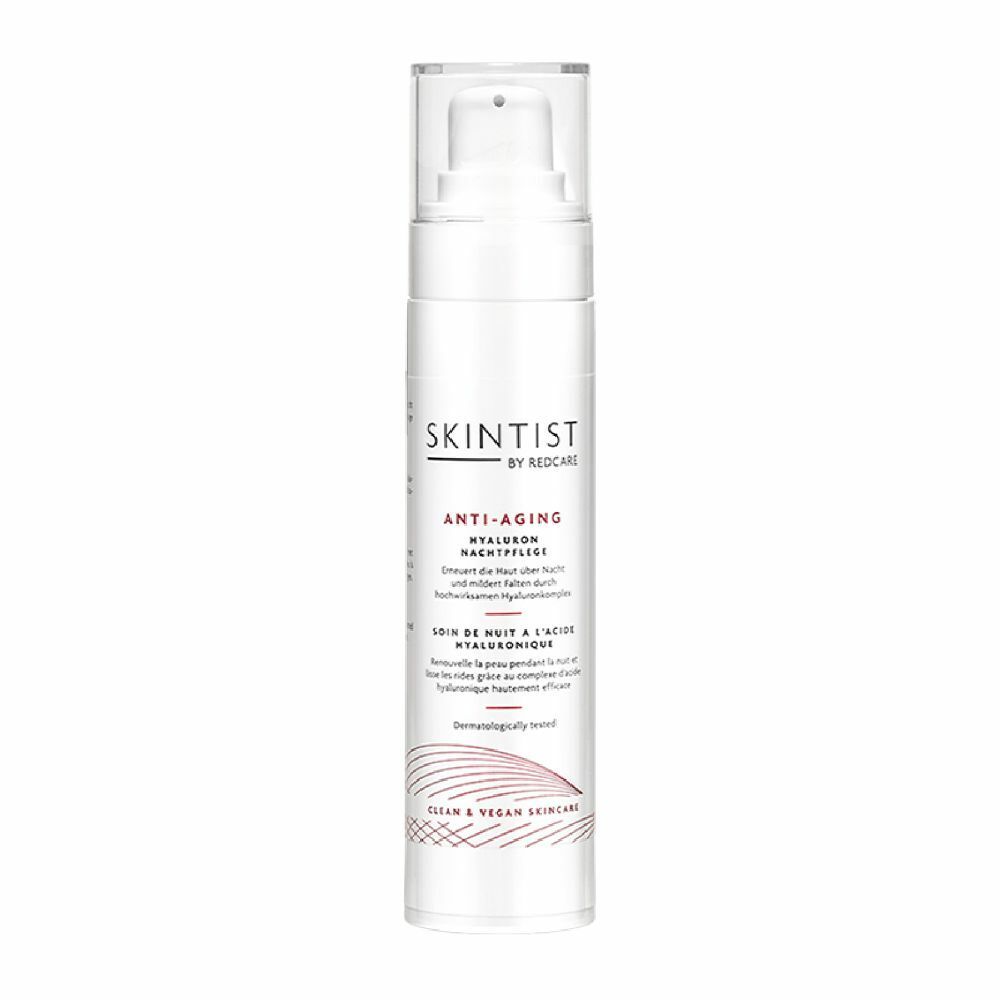
SKINTIST ANTI-AGING Hyaluron Nachtpflege
Night moisturiser in the hyaluronic line. Hyaluronic acid holds water, it does not seal it.
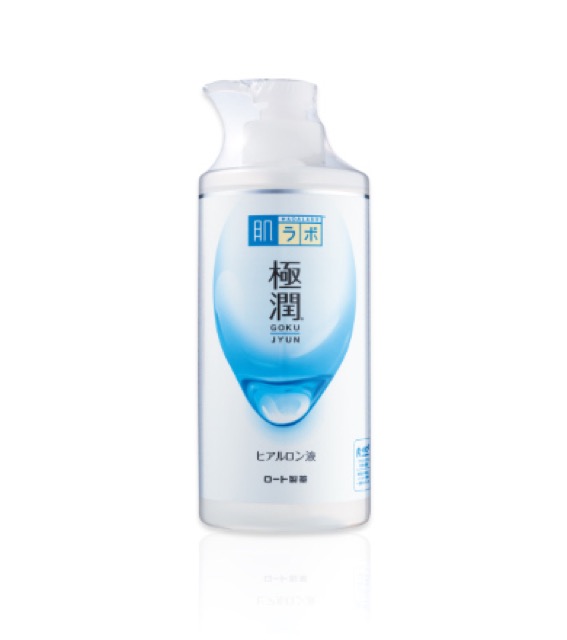
Hada Labo Gokujyun Hyaluronic Acid Lotion
Hyaluronic lotion loved by millions; layers over freshly cleansed skin for deep moisture.
Product discovery is not efficacy proof. These examples are not ranked by commission.
Common questions
What does Hyaluronic acid do for skin?
Hyaluronic acid is associated in published research with hydration and barrier support. One split-area study in 76 women tested 0.1% periocular hyaluronan for 60 days. Hydration and elasticity improved across all five tested molecular weights; wrinkle-depth improvement was limited to 50 and 130 kDa. The study did not demonstrate penetration. MIRU frames ingredients by what is visible, not by medical claims.
When should I use Hyaluronic acid?
Hyaluronic acid is typically used morning or evening. Introduce any new active on its own first and add one product at a time so you can see how your skin responds.
Is Hyaluronic acid suitable for my skin type?
Hyaluronic acid is often chosen for dry, sensitive, combination and oily skin. It is generally considered well tolerated. If your skin is reactive, patch-test first and watch for any irritation.
Stay in the loop
Get launch updates and occasional product news.
Unsubscribe anytime.
Checking a complete formula? Paste or photograph the ingredient list for the full verdict.
Personal guidance, not medical advice.